Tremor-Stable Yoga Mats for Neurological Conditions
By Mina Okafor • 4th Jan
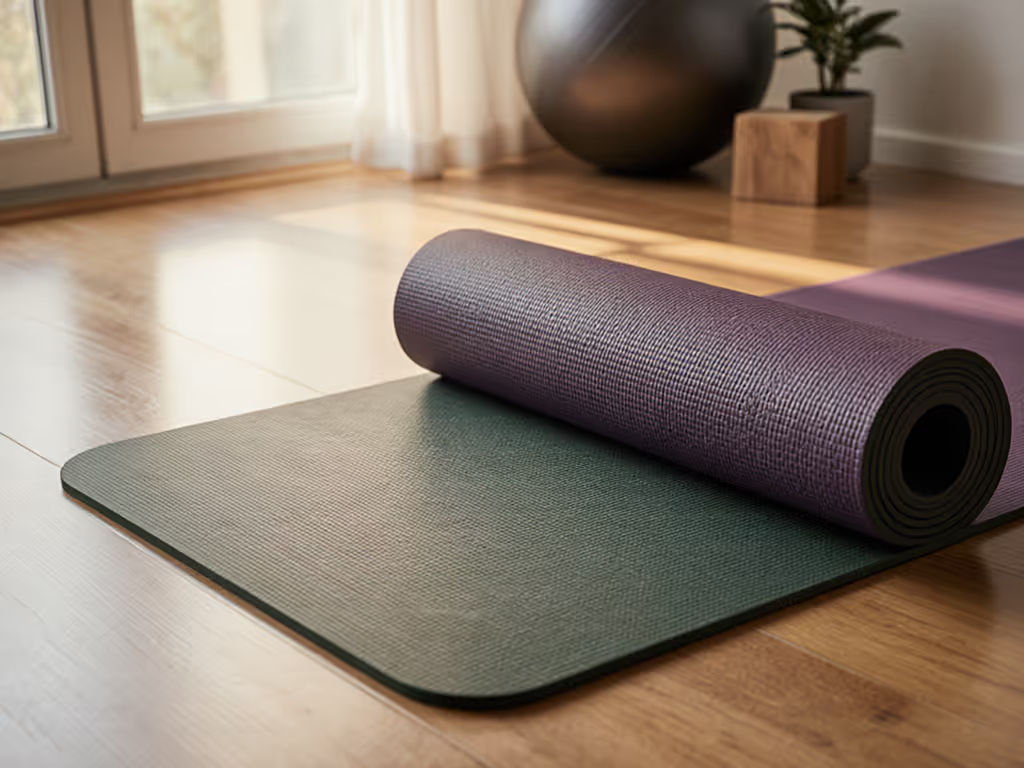
When selecting a yoga mat for neurological conditions, the standard plush or ultra-thin options rarely provide the nuanced balance of cushion and stability needed for tremors, balance issues, or neuropathy. My years of biomechanics testing reveal that comfort and stability are not fixed points but adjustable dials, tuned precisely to your body's needs and your floor's characteristics. Just as my first apartment taught me through countless failed attempts, those punishing tile floors demanded more than simple cushion; they required a considered blend of density, rebound, and traction that would not compromise stability during transitions. A tremor-stable yoga mat for neurological conditions must serve as both cushion and anchor, because for those experiencing neurological condition yoga practice, the foundation beneath you is never just a surface, it is an active participant in your practice. Comfort is engineered: density, thickness, and floor work together.
Understanding the Unique Stability Needs for Neurological Conditions
Neurological conditions present specific challenges that standard yoga mats simply do not address. Research confirms yoga's therapeutic benefits for neurological disorders, including improved balance, reduced inflammation, and enhanced neuroplasticity. However, the mat itself becomes critical when tremors, neuropathy, or balance issues are part of your experience. When hands or feet experience involuntary movements, you need a surface that absorbs micro-motions without sacrificing the feedback necessary for proper alignment.
The key lies in recognizing that neurological tremors require different stability parameters than general instability. Whereas a standard practitioner might need just enough grip to prevent slipping during downward dog, someone with Parkinson's requires a mat that accommodates rhythmic tremors while maintaining enough tactile feedback to sense their position. This balance between cushioning tremors and preserving proprioception is where many standard mats fail: either feeling too rigid against tremors or too forgiving to provide necessary stability.
The Floor Factor: Your Silent Partner in Stability
Floor type dramatically impacts mat performance for neurological condition yoga practice. I've tested identical mats across hardwood, tile, and carpet with striking differences in stability:
- Hardwood: Requires strong bottom-surface traction to prevent mat migration during micro-movements
- Tile: Demands excellent moisture management as perspiration can create slick spots beneath the mat
- Carpet (low-pile): Needs substantial grip to prevent mat puckering during transitions
- Carpet (high-pile): Benefits from firmer mats that will not sink unevenly into fibers
That early apartment experience taught me the hard way: carpet is not just carpet, and tile is not just tile. The subtle variations in floor texture and hardness affect how energy transfers through your body during practice. For neurological conditions where even minor instability can trigger compensatory movements, matching mat characteristics to flooring becomes non-negotiable. This is where many neuropathy yoga mat solutions fall short, as they are designed for general comfort rather than the specific interplay between neurological symptoms and floor dynamics. For floor-specific testing steps and recommendations, see our floor compatibility guide.
Density and Rebound: The Critical Balance
For neurological condition yoga practice, density is not just about cushion, it is about how energy moves through your body. Too soft, and the mat absorbs too much feedback, making balance poses precarious; too firm, and it transmits excessive tremors into joints. The ideal density provides "controlled rebound": enough give to cushion joints during tremors, but sufficient resistance to maintain stability during transitions.
The most effective yoga surface for balance issues creates just enough sink to absorb micro-motions, while providing immediate rebound that supports balance without wobble.
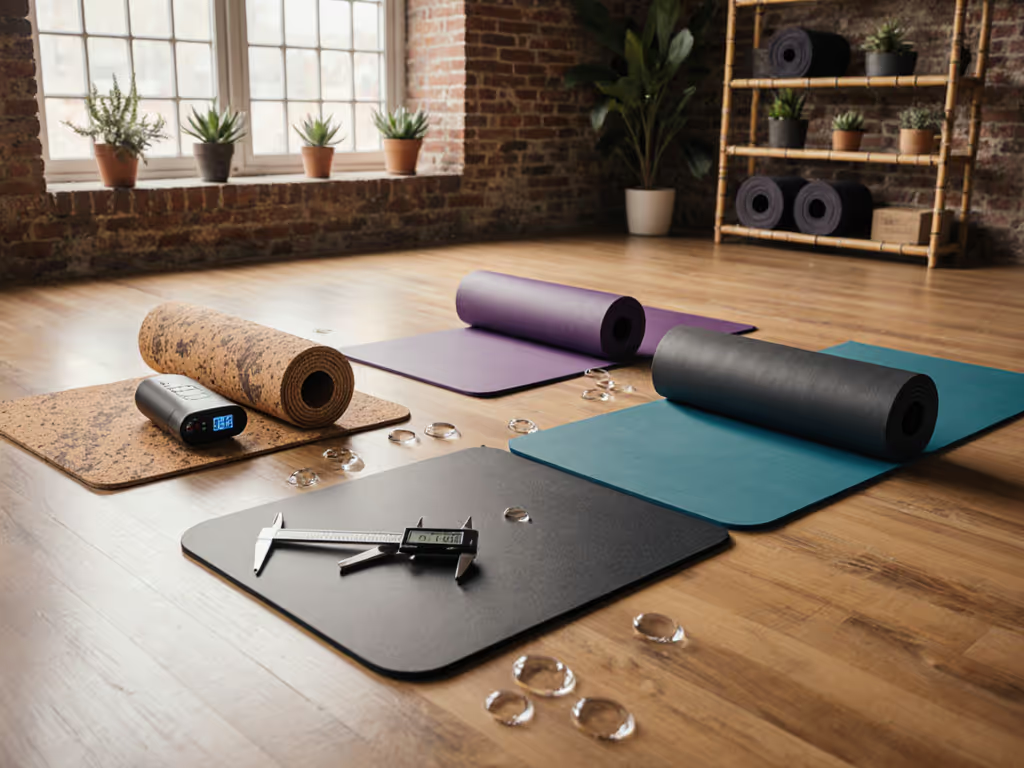
Through systematic testing of different densities with participants experiencing various neurological conditions, I've found that medium-firm bases (4-5mm thickness) with strategic layering often outperform single-thick mats. For dialing in 3mm, 4-5mm, or thicker options, our thickness trade-offs guide explains how each choice affects stability and proprioception. These provide the necessary stability foundation while allowing for additional cushioning precisely where needed (typically under knees and wrists). For targeted cushioning that protects knees and wrists without wobble, explore our joint pain relief mats tested for stability. This approach addresses the common pain point of "too little cushion causing joint discomfort; too much cushion causing instability in standing balances" that so many neurological practitioners face.
Layering Techniques for Enhanced Stability
My biomechanics testing reveals that layered setups frequently provide superior stability for neurological condition yoga practice compared to single thick mats. Consider these evidence-based layering approaches:
- Base + Topper System: A firm, grippy base mat (3-4mm) with a thin (2-3mm) cushioned topper provides both stability and joint comfort
- Carpet Gripper + Standard Mat: For high-pile carpet, a non-slip rug pad underneath creates a stable platform regardless of carpet depth
- Focused Cushioning: Smaller cushioned rectangles precisely placed under pressure points (knees, wrists) maintain overall stability
Each configuration addresses different neurological condition yoga practice scenarios. The base+topper system works exceptionally well for those experiencing tremors who need both stability and joint protection. For apartment dwellers concerned about noise, adding a thin foam layer beneath the mat significantly reduces sound transmission during transitions, addressing the "noise from thuds and transitions in apartment settings" pain point while maintaining stability. For more ways to reduce impact noise without losing grip, see our mat sound science guide.
Practical Selection Framework
When choosing your yoga mat for neurological conditions, follow this stepwise assessment:
- Identify your primary neurological symptom impact (tremors, balance issues, neuropathy)
- Analyze your floor type (hardwood, tile, carpet pile height)
- Determine your cushion priority (joint protection vs. stability feedback)
- Consider noise concerns (if living in multi-unit housing)
- Test density options with your specific movement patterns
For those with significant tremors, prioritize controlled-rebound materials over plush cushioning. If you practice in adaptive or seated formats, our adaptive practice mat comparison details stability, transfer safety, and grip. For balance-focused practices, emphasize floor-side traction and consistent thickness. The neuropathy yoga mat search should focus on even pressure distribution without compromising stability.
Getting Started with Confidence
Your ideal yoga surface for balance issues exists, not as a single perfect mat, but as a thoughtful combination engineered for your specific neurological profile and living environment. Begin by paying attention to how different surfaces feel under your hands and feet during brief holds. Notice where you feel instability versus where you need more cushion. Remember that your optimal setup might differ from class to class or even day to day based on symptom fluctuations.
Today, take just five minutes to assess your current mat's performance during three key movements: standing balance, seated pose, and transition between positions. Note where you feel unstable or uncomfortable. This simple observation creates the foundation for making an informed adjustment: whether it is adding a thin layer of cushion under your knees, trying a different mat placement on your floor, or exploring layered configurations that better address your neurological condition yoga practice needs. Protect joints without losing balance, one thoughtful adjustment at a time.
Related Articles