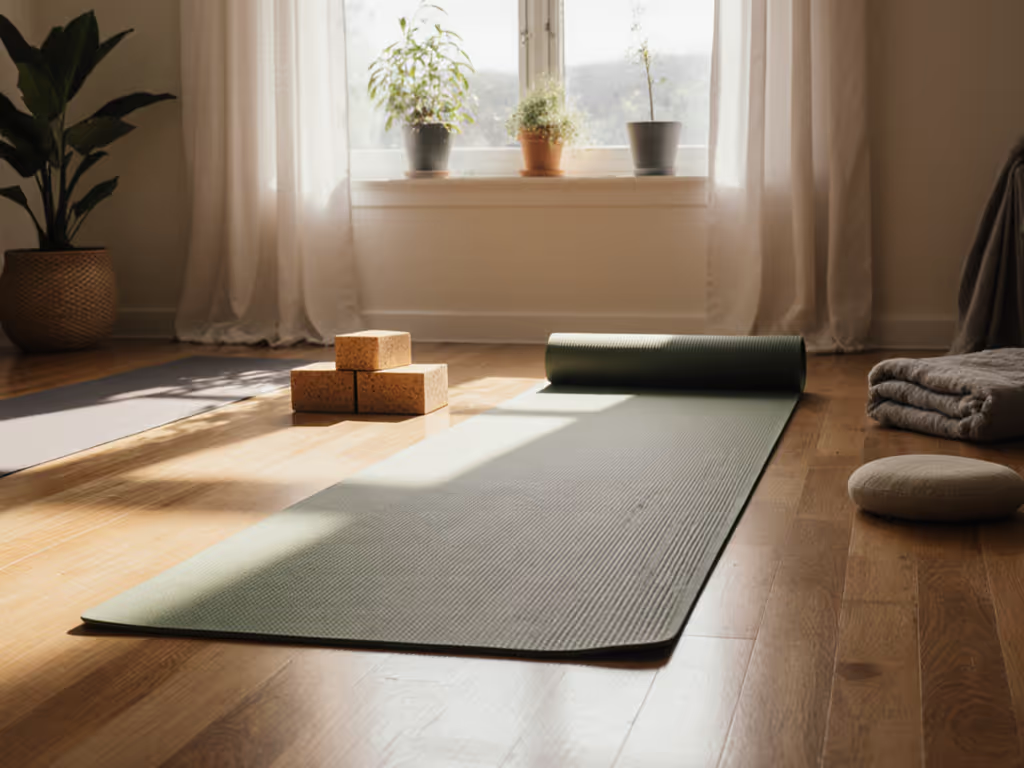
Best Yoga Mats for Psoriasis: Tested & Ranked
By Jonah Park • 28th Apr
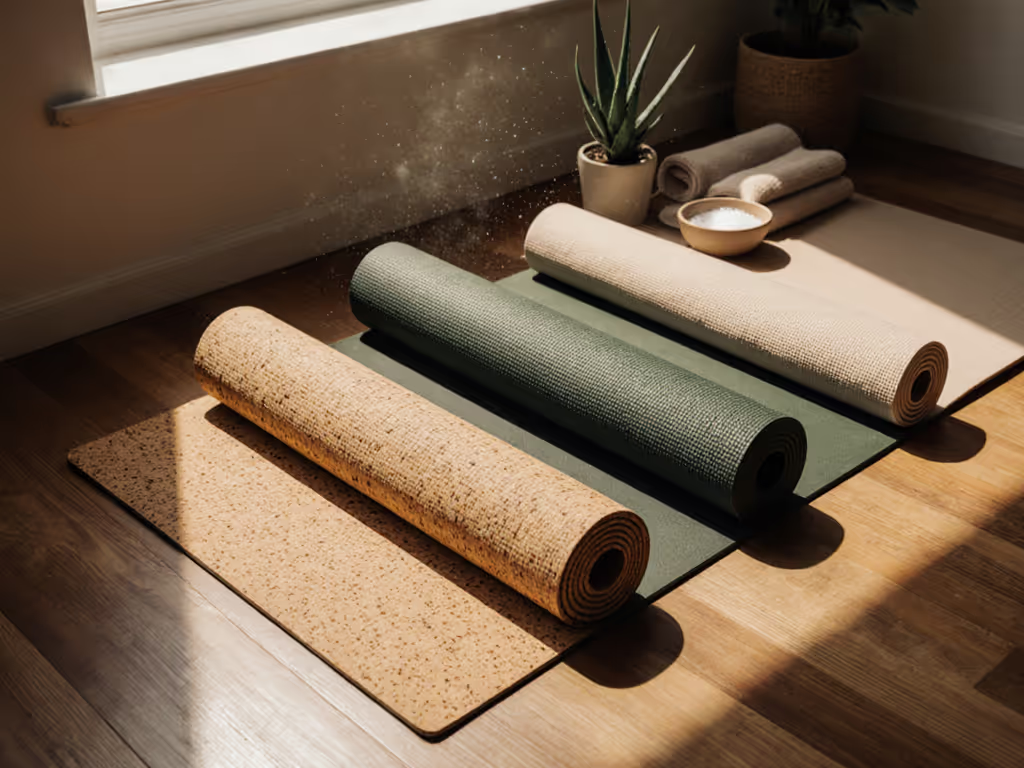
Finding a yoga mat for psoriasis requires more than grip and cushioning, it demands a surface that won't aggravate sensitive skin, washes clean without hassle, and actually holds up over years of practice. The typical yoga-buying logic (lowest price or most Instagram hype) falls apart fast when your skin is on the line. If you're navigating sensitivities or reactions, see our non-toxic yoga mats guide for safe material choices and testing steps. I've tested dozens of mats against durability, material transparency, and washability, and the pattern is clear: mats designed for sensitive skin and frequent cleaning separate themselves through thoughtful material choices and honest warranty terms, not marketing polish.
Psoriasis complicates the already-complex mat decision. Your skin needs breathability, minimal irritants, and frequent sanitizing, which means cheap mats that shed fibers, off-gas chemical adhesives, or degrade after a few wash cycles become expensive mistakes. A friend once justified buying budget mats quarterly because they were "cheap." We tore a few open, tested their surfaces for durability, and looked at how they cleaned up afterward. The survivor wasn't the bargain pick; it was one that didn't crumble under sweat, sun, and regular washing. That lesson sits behind every recommendation below.
1. Cork + Natural Rubber: The Psoriasis-Proven Foundation
Cork is not a trend, it's practical medicine for sensitive-skin practitioners. The surface is naturally antimicrobial, which reduces mold, mildew, and bacterial buildup between washes. This matters enormously if you're managing skin conditions; fewer pathogens mean fewer flare triggers. [1][2]
Hard thresholds for cork selection:
- Water-based adhesives only (no polyurethane or solvent-based binders)
- Natural rubber backing, not synthetic TPE or PVC
- At least 3mm thickness to prevent crumbling at creases
- Warranty covering delamination for 2+ years
Cork's grip improves with moisture, sweat activates the surface rather than weakening it. For hot yoga or vigorous flows, this is a clinical advantage. The trade-off is weight (heavier than cotton or TPE) and minimal initial cushion, which is why quality cork mats pair it with natural rubber underneath. The Scoria mat exemplifies this pairing: natural cork surface bonded to natural rubber with water-based adhesives. [1] The result is a mat that doesn't compress into a pancake after 18 months and cleans thoroughly without degrading.
Washability factor: Cork is easy to clean with mild soap and water; it doesn't stain and won't degrade if you use dilute vinegar or gentle cleaners. That's a hard win for psoriasis management, where frequent washing is not optional. For product picks that won't damage grip, see our natural rubber mat cleaner tests.
2. Organic Fiber + Natural Rubber: Breathability Without Synthetics
For practitioners wary of any rubber (including natural latex sensitivity), herbal-dyed organic cotton mats offer a genuine alternative. Oko Living's model demonstrates the approach: organic cotton, handloomed, naturally dyed with medicinal herbs and flowers, paired with natural rubber backing. [6] The fabric is inherently breathable (your skin doesn't sweat into a plastic pocket), and the weave is gentle, not abrasive. If you're evaluating labels, our GOTS and OEKO-TEX guide explains what the certifications actually verify.
Critical specs:
- GOTS-certified organic cotton (ensures dye safety and minimal pesticide residue)
- Plant-based dyes (no synthetic azo dyes or heavy metals)
- Natural rubber backing, not PU or EVA foam
- Thickness ideally 4-5mm (compensates for fiber's thinner profile)
The antimicrobial benefit comes from the herbs used in dyeing (many traditional dyes include antimicrobial botanicals), plus the natural fiber's lower propensity to harbor bacteria compared to closed-cell synthetics. Organic fiber also degrades predictably: if it frays at an edge, you're not releasing microplastics into your home or body.
Maintenance reality: Organic fiber mats require regular washing (hand-wash or gentle machine cycle) and air-drying. They're not "wipe down" mats. But for someone managing psoriasis, that routine washing is often therapeutic and necessary anyway. The mat becomes part of your skin-care ritual, not a liability.
3. Low-Off-Gassing TPE or PU (When Natural Materials Aren't Viable)
Not everyone can use natural rubber, latex sensitivity is real and documented. [3] If natural latex or cork are off the table, third-tier choice is a closed-cell PU or TPE mat certified for low VOC emissions. This is the compromise zone: synthetic, but formulated to minimize chemical off-gassing and tested for toxicity.
Non-negotiable standards:
- Third-party testing for volatile organic compounds (VOCs)
- Certification by Greenguard Gold, GreenGuard, or equivalent
- No phthalates, BPA, or heavy metals in the label
- Warranty covering delamination and durability (2+ years minimum)
Pay for performance, not polish: a mid-range $60-$90 PU mat from a brand with transparent testing beats a $120+ yoga mat from a lifestyle label with slick marketing and murky sourcing.
For psoriasis, the advantage is washability and chemical stability. PU surfaces won't break down from frequent water or mild cleaner exposure. The drawback is thermal (synthetics retain heat), which can feel uncomfortable on sensitive skin in warm rooms. Test a mat in your actual practice space before committing.
4. Thickness and Texture: Non-Negotiables for Skin Sensitivity
Most commercial yoga mats are 3-5mm thick. For psoriasis, your decision hinges on two factors: whether you need extra cushion (joint protection) or stability (balance confidence), and whether the texture aggravates your skin.
Texture rule: Avoid open-cell foam that collects lint and bacteria, and avoid highly textured surfaces (microgrooves marketed as "alignment aids") that can trap moisture and irritate skin. Smooth, closed-cell surfaces or finely woven natural fibers are gentler.
Thickness logic:
- 3mm or less: Best for balance-heavy practices (Ashtanga, vinyasa). Minimal cushion means your joints feel the floor, which stabilizes poses but can irritate knees if psoriasis affects joints. Risk: thinness forces you to press harder into flare-prone areas.
- 4-5mm: Goldilocks zone. Enough cushion to ease wrist and knee pressure without wobbling through standing poses. Supports longer holds in yin or restorative classes without feeling unstable.
- 6mm+: Comfort over performance. Good for therapeutic or gentle yoga, but compromises balance work and can make transitions feel mushy.
For psoriasis specifically, if your flares include joint pain or skin breaks near pressure points (wrists, knees, ankles), opt for 4-5mm. If your triggers are primarily environmental (heat, sweat, irritation from friction), standard 3-4mm is sufficient.
5. Durability Per Dollar: The Real Test
This is where most yoga-mat shopping fails. A mat may feel great in a studio class but crumble (literally shed fibers, compress, or develop edge curl) within 6-12 months of home use. For someone with psoriasis, a mat that sheds debris is a practical hazard; microfibers and dust particles can irritate open skin.
Durability red flags:
- No warranty or warranty under 1 year
- Unclear material sourcing (vague "eco rubber" or "non-toxic foam" claims)
- Reviews mentioning flaking, peeling, or compression within the first year
- Heavy mats that compress under consistent pressure (suggests low-density materials)
Durability green flags:
- 2-3 year warranty against delamination, peeling, and compression
- Transparent material breakdown (e.g., "natural rubber, cork, water-based adhesive" rather than "eco-friendly blend")
- Consistent reports of 3+ years of reliable use without fiber shedding
- Mats from smaller producers with built-in accountability (not fast-fashion brands cycling stock)
The Ananday mat, for instance, carries strong durability markers: natural materials, small-business transparency, reviews noting no peeling or shedding after extended use. [3] It costs more upfront ($90-$130 range) but holds steady for years, which nets lower cost-per-use than budget replacements.
6. Washability: The Psoriasis Clincher
Your mat's cleaning profile determines whether it becomes a hygiene asset or a bacteria farm. For sensitive skin, the difference is not academic.
Optimal washability:
- Non-porous surface (closed-cell, smooth cork, or tightly woven cotton) that won't trap sweat or mold
- Tolerance for gentle cleaning: mild soap, water, dilute vinegar, or hydrogen peroxide without degradation
- No requirement for special coatings or salt scrubs to "activate" grip (a sign of poor design)
- Machine-washable option (if fiber-based) or wipe-able without residue
Cork and natural rubber excel here: both rinse clean, resist staining, and don't degrade from frequent water contact. Organic fiber mats are also excellent (hand-wash or gentle machine cycle, then air-dry). Avoid mats that specify "professional cleaning only" or warn against contact with certain cleaners; they're maintenance nightmares for daily users.
Build a 2-3 times per week washing into your routine, especially in humid climates where mold grows fast. For moisture-heavy regions and studios, follow our humidity defense guide to prevent mold and odors. A mat that actively resists bacterial growth and rinses fully clean is not a luxury for psoriasis, it's a tool.
7. Price-to-Performance Thresholds
Here's the hard math: quality yoga mats for sensitive skin cluster in three bands.
| Price Band | Expected Lifespan | Best For | Trade-Offs |
|---|---|---|---|
| $50-$90 | 1-2 years with aggressive use; 3+ years with gentle practice | Budget-conscious buyers, light casual practice | Often synthetic; may require replacement sooner if used hot yoga frequency |
| $90-$150 | 3-5 years typical | Active practitioners, psoriasis/skin concerns, hot yoga regulars | Fewer color/design options; heavier shipping |
| $150+ | 5-7+ years if maintained | Studio owners, committed daily practitioners, warranty-first buyers | Premium pricing doesn't always mean better for psoriasis; hype tax is real |
Spend once on what lasts under sweat, sun, and time. A $120 cork mat used 5 times weekly for 4 years is $5.77 per session. A $60 mat replaced annually is $11-15+ per session when you factor in replacement hassle and skin irritation from low-quality surfaces. The value math favors durability.
Actionable Next Steps
-
Audit your practice type and environment. Hot yoga + humidity = cork priority. Casual home practice in cool climate = natural fiber is sufficient. Joint-heavy flows with psoriasis = prioritize 4-5mm thickness.
-
List your non-negotiables. Latex sensitivity? Natural rubber is off the table (go cork or organic fiber). Need portability? Thin, lightweight mats sacrifice cushion; plan accordingly. Limited budget? Focus on $70-$100 range with 2-year warranties and transparent material lists.
-
Request material and emissions documentation. Reach out to brands before buying. If they can't or won't specify adhesive type, dye source, or VOC testing, that's a data gap. You deserve clarity.
-
Read 1-year reviews, not launch reviews. Launch hype is noise. Find reports from people who've used the mat for 12+ months. Look specifically for mentions of durability, washability, and whether grip or cushion changed over time.
-
Test in your actual space if possible. Studio feel does not equal home feel. A mat that grips perfectly in a temperate yoga room might feel slippery in your humid apartment. Many brands offer short trial periods or accept returns; use them.
-
Budget for a wash routine. A quality mat demands consistent care. Factor in mild soap, a soft brush for occasional deep clean, and air-dry time into your maintenance. It's not optional for psoriasis management.
Your yoga mat is not fashion, it's equipment. For someone with psoriasis, it's also a hygiene and safety tool. Choose based on material transparency, durability proof, and washability, not marketing polish or price tag. A mid-priced mat that performs consistently for three years is wisdom. An expensive mat that requires special care or degrades quickly is a mistake dressed up as luxury.
Related Articles