How Yoga Mat Thickness Affects Pose Alignment Biomechanics
By Sofia Álvarez • 15th Jan
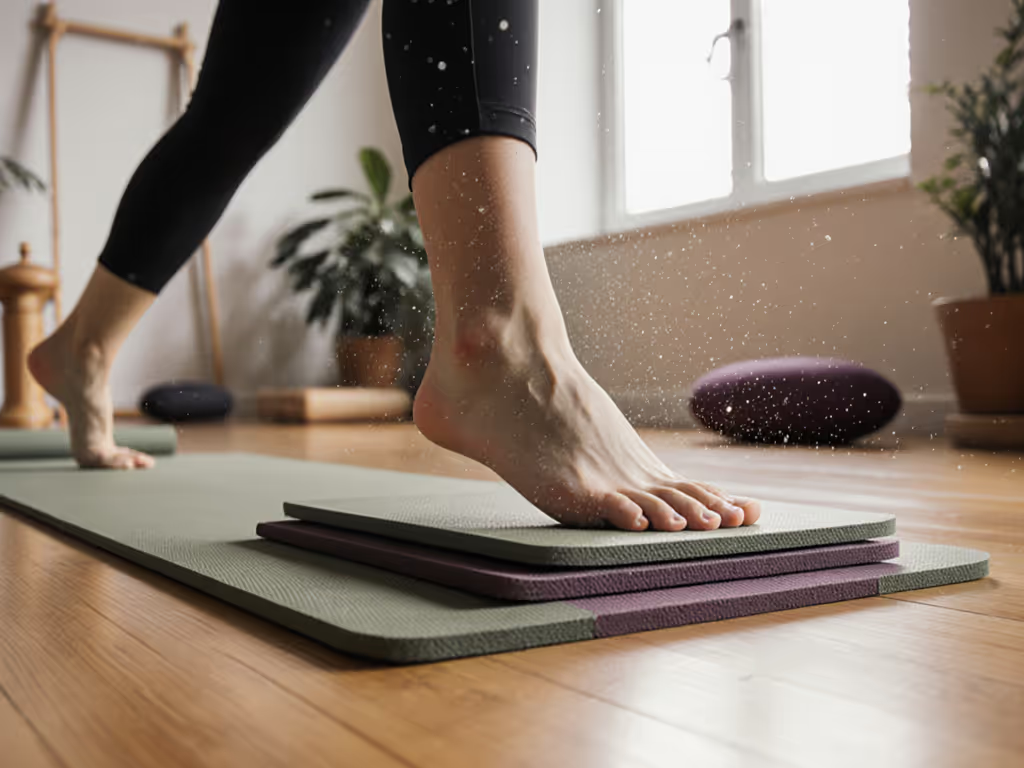
When you unroll your yoga mat, you're not just creating a practice space, you're setting the stage for biomechanical interactions that directly influence your alignment, stability, and joint health. Understanding yoga mat biomechanics reveals why seemingly minor thickness variations can dramatically alter your pose execution, force distribution, and long-term practice sustainability. As bulk yoga mats become more common in both home and studio settings, it's crucial to move beyond marketing claims and examine how thickness actually interacts with human movement patterns.
With so many options cluttering the market, I've seen practitioners struggle with mats that sabotage their alignment, whether it's a cushiony 8mm mat making utthita hasta padangusthasana (extended hand-to-big-toe pose) wobble or a paper-thin 2mm mat sending shockwaves through sensitive wrists in phalakasana (plank pose). The truth isn't about finding the "perfect" thickness (it's about matching your mat's physical properties to your body's biomechanical needs). Context beats absolutism. For a clear measurement-by-measurement overview, see our thickness trade-offs explained.
Understanding the Biomechanical Connection
What exactly is yoga mat biomechanics?
Yoga mat biomechanics examines how mat properties interact with your body's movement, force application, and alignment during practice. It's not just about cushioning (it's about how your mat responds to pressure, distributes force, and provides feedback to your nervous system). When discussing pose alignment biomechanics, we're looking at how mat thickness affects your proprioception (body awareness in space), joint loading, and the subtle micro-adjustments that keep poses safe and effective.
How does thickness influence force distribution during weight-bearing poses?
Your mat is the first interface between your body and the earth. During poses like adho mukha svanasana (downward dog) or chaturanga dandasana (low plank), yoga mat force distribution determines how your body weight transfers through joints. Thinner mats (3-4mm) provide immediate ground feedback, helping you engage stabilizing muscles. Thicker mats (6mm+) absorb more energy but may reduce sensory input, potentially compromising form without conscious adjustment.
A recent study observed that 6mm mats increased sway velocity by 22% during forearm balances compared to 4mm mats, directly correlating with higher fall incidence. This demonstrates how subtle thickness differences affect neuromuscular control. If inversions are a priority, explore mats that lock in inversions with stable, high-density support.
How does mat density interact with thickness for joint protection?
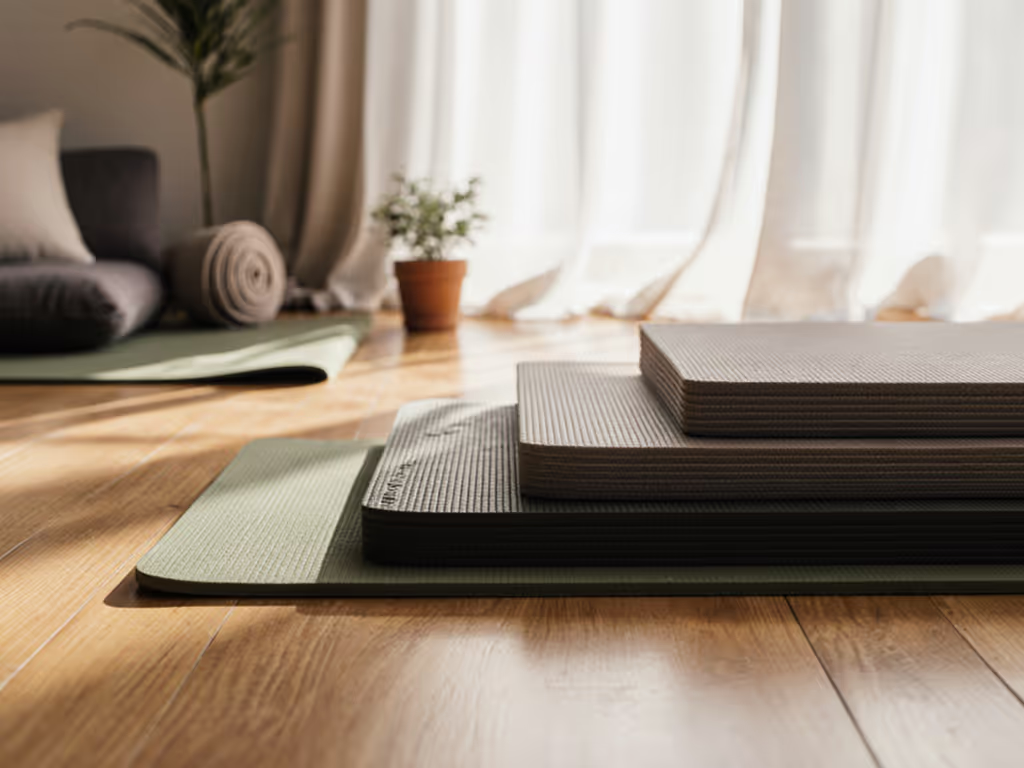
Thickness alone doesn't tell the whole story (mat density joint impact is equally critical). High-density materials (like certain natural rubbers) provide firm support even at lower thicknesses, while low-density foams compress significantly under pressure regardless of initial thickness. This compression affects how your joints experience force:
- Thin, high-density mats (3-4mm natural rubber): Best for strong proprioception but require more muscular engagement
- Medium thickness, medium density (4-5mm TPE): Balanced option for most practitioners
- Thick, low-density mats (6mm+ PU foam): Maximum cushioning but may compromise stability
During knee-intensive poses like virasana (hero pose), appropriate density prevents excessive compression that could misalign your tibia and femur.
Practical Biomechanical Considerations for Your Practice
How does body weight affect ideal thickness for alignment?
Heavier practitioners often require slightly thicker mats to maintain proper alignment without excessive joint compression. What feels like "too thick" for a lighter person might be biomechanically appropriate for someone with more body mass. The ideal thickness prevents your joints from bottoming out while still providing enough ground feedback to maintain proper alignment.
Can a yoga mat be too thick for proper alignment?
Yes, when excessive cushioning creates instability that compromises your form. In balance poses like vrksasana (tree pose), a mat that's too thick can:
- Reduce your ability to feel subtle weight shifts
- Increase reliance on larger muscle groups rather than precise alignment
- Create "sinking" that distorts joint angles
The critical threshold varies by individual, but many biomechanists note that mats exceeding 6mm often begin compromising stability for active practitioners. This is why studio teachers often recommend thinner mats for vinyasa or ashtanga styles where precise alignment transitions are critical.
How does thickness affect different yoga styles biomechanically?
Each practice style creates unique biomechanical demands:
-
Vinyasa/Power Yoga: Needs responsive feedback for quick transitions. A 4-5mm mat often provides optimal yoga mat force distribution to maintain stability during jump-backs while protecting joints.
-
Yin/Restorative: Prioritizes joint comfort during long holds. Thicker mats (5-6mm) reduce pressure points without significantly compromising alignment since poses are held statically.
-
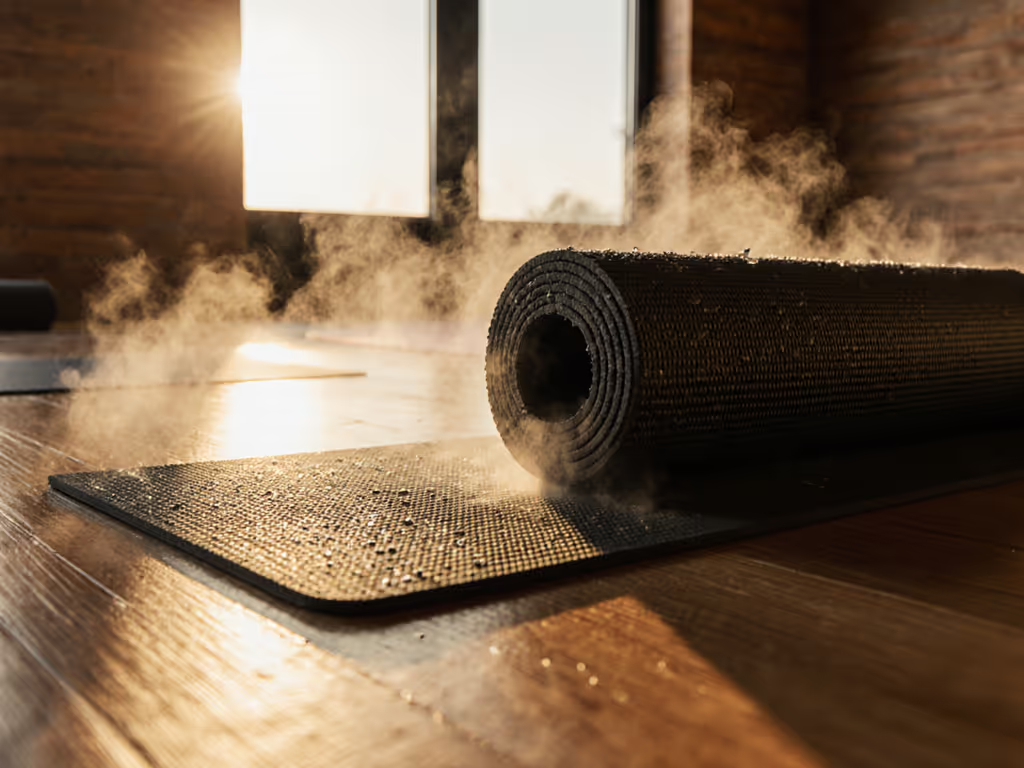
Hot Yoga: Requires consideration of how thickness affects grip when wet. Thinner mats often provide better traction when sweaty, but some thicker specialty mats address this with textured surfaces. For proven picks in steamy rooms, check our verified non-slip hot yoga mats.
When selecting your mat, ask yourself: "Does this thickness support my alignment during the most challenging transitions in my practice?" Not just during static holds.
Finding Your Biomechanical Sweet Spot
How can I determine my ideal thickness experimentally?
Rather than relying on generic recommendations, try this biomechanical assessment: Your floor matters too—our floor compatibility guide shows how wood, tile, or carpet change mat behavior.
- Test in your actual practice environment (flooring type dramatically affects mat performance)
- Focus on your weakest transition (does thickness help or hinder?)
- Assess joint comfort after practice (not just during)
- Check for alignment drift (does your form maintain integrity through the entire sequence?)
I recall observing a student who struggled with wobbly bakasana (crow pose) until switching from a 6mm mat to a 4mm one (her alignment instantly improved because she could better feel micro-adjustments through her hands).
What's the optimal thickness range for most practitioners?
Research and practical observation suggest 4-5mm provides the best balance for pose alignment biomechanics across multiple styles. This range generally offers:
- Adequate cushioning without excessive compression
- Sufficient ground feedback for precise alignment
- Stability for balance poses
- Compatibility with most flooring types
That said, "ideal" depends entirely on your body mechanics, practice style, and flooring. Someone with sensitive knees doing restorative work might need 6mm, while an advanced vinyasa practitioner might prefer 3.5mm for better connection to the earth.
Material names matter less than verified formulations and context. A well-engineered 5mm mat might serve your biomechanical needs better than a poorly constructed "premium" 6mm option.
Finding Your Perfect Match
Choosing the right mat thickness isn't about chasing the "best" specification (it's about finding the thickness that supports your biomechanics through your practice). The most sustainable mat is one that performs well enough to stay in use for years, not one that gets replaced because it compromised your alignment or caused discomfort. Learn the signs your mat’s grip is failing so you replace it based on performance, not guesswork.
For further exploration of how specific materials interact with biomechanics, I recommend reviewing peer-reviewed studies on proprioception and surface compliance in the Journal of Sports Sciences. When evaluating mats, focus on how they support your alignment through your full practice (not just their initial comfort or marketing claims). Your body's feedback during challenging transitions remains the most reliable indicator of proper biomechanical compatibility.
Related Articles